What to Keep After Someone Dies: How to Sort Through the (Literal) Stuff of Grief
Grief can make reading hard. Want to listen to this article instead? Find its corresponding podcast episode here.
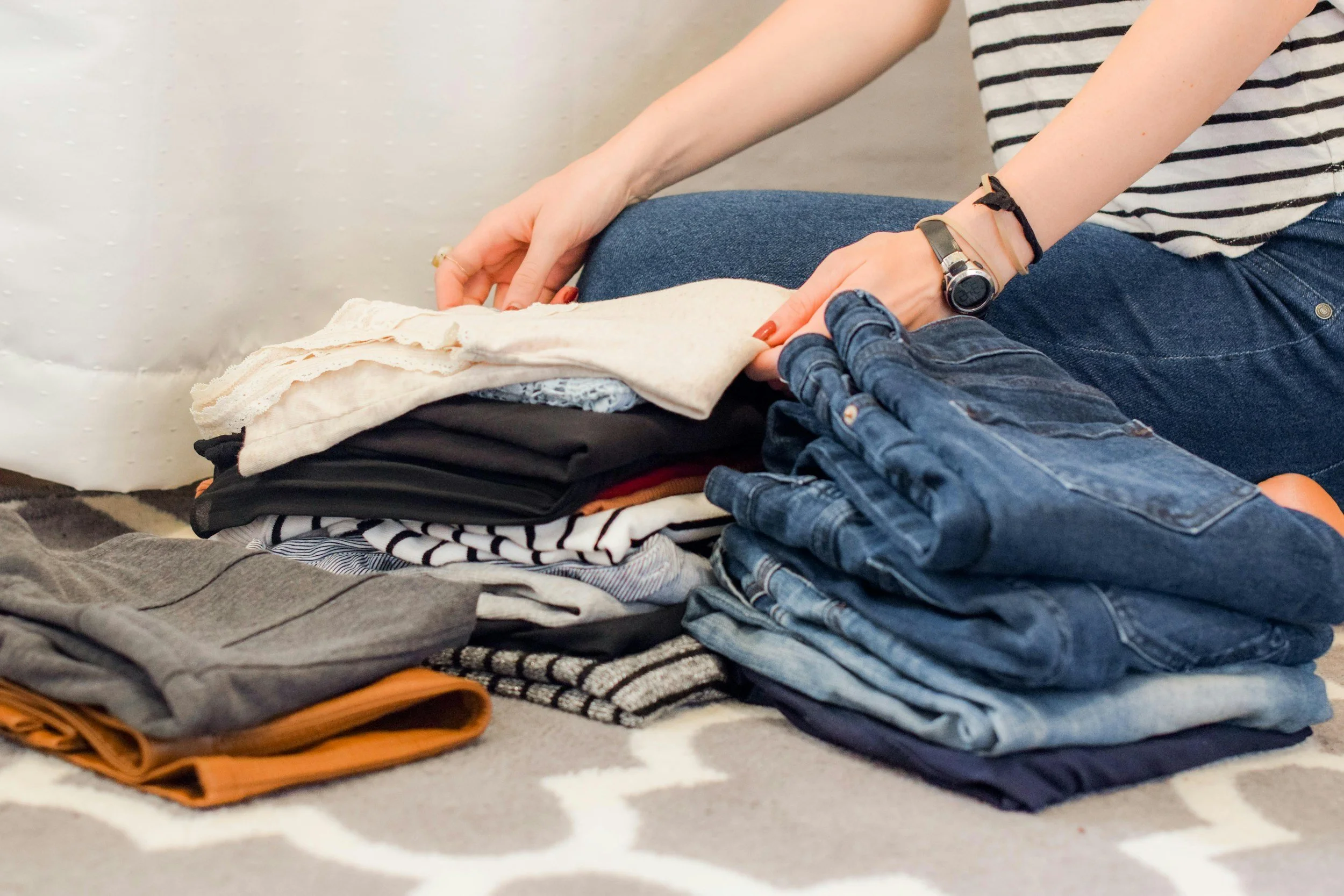
There’s something uniquely heart-wrenching about standing in front of a closet, a storage unit, or a kitchen drawer filled with someone else’s belongings after they die—and having no idea what to do next.
Whether it’s been a week or a decade since your person died, this question shows up again and again:
What do I keep? What do I let go of? And how am I supposed to decide?
As I say often, “After loss, all you have left is all you have left.” And sometimes, stuff becomes sacred.
That’s why I was so honored to speak with Charlene Lam, author of Curating Grief: A Creative Guide to Choosing What to Keep After a Loved One Dies, about how grief shows up in physical belongings—and how we can sort through them with intention, creativity, and compassion.
When Grief Lives in Stuff
Charlene was living in London when her mother died suddenly in New York. As an only child, she was immediately responsible for clearing out her mother’s recently renovated 3,000-square-foot home—alone.
“As someone who's very, very attached to belongings and physical items,” she said in our interview on Grief Grower, “I was so poorly equipped for this task.”
The traditional advice—keep, donate, toss—didn’t work. “These were all things my mother had chosen. These were all things my mother had touched,” she told me. “They all became incredibly precious to me.”
So instead of sorting by category, Charlene drew upon her experience as a real-life curator and sorted by meaning. She asked herself:
If I were curating an exhibition about my mother, which 100 objects would I include?
That question changed everything about the process of going through her mom’s belongings.
Shifting from sorting and deciding to curating made the difference. Perhaps it can for you too.
After a Loss, Physical Objects Becomes Sacred
After loss, things become more than “just things.”
A pie tin becomes a symbol of your family legacy. A scrunchie becomes a time machine to your loved one’s daily routine. A bottle of soy sauce becomes evidence of an entire life.
Charlene described in our conversationn how objects can take on different roles in grief:
Linking objects: “They help us feel connected (or linked) to the person who died.”
Evidence objects: “They’re proof that they were here—or how they died—or how they lived.”
This is why it’s so hard to let go of things that, to outsiders, might look like trash. It’s also why it can be painful when others—whether friends or family—pressure us to “just clear it out” or “get rid of it.” It’s hard for them to understand our emotional, mental, and even spiritual ties to our person’s stuff.
But those ties are real—and working with them instead of against them can help us curate our grief in the way that feels best to us.
The Three C’s of Curating Grief: A Creative Guide to Choose What to Keep After a Loved One Dies
Charlene teaches a framework she calls The Three C’s: Collect, Curate, Create—a simple but powerful structure for making sense of the physical aftermath of loss.
Let’s break it down:
1. Collect: How do you remember them?
First, gather everything together and look at it. Collect it in one place. Then, take a breath.
This is the permission to pause that’s often missing from decluttering-after-death advice. You don’t have to choose yet. You don’t have to decide. This is about simply witnessing everything that’s present, both physically and emotionally.
Charlene shared, “People want to rush to taking action. But there's a reason why it's so difficult to make decisions. Often, we haven’t been given the time to just sit with it.”
In my online course + community, Life After Loss Academy, we name this first step in the process, too. Because sorting through someone’s stuff is not just about belongings. It’s about confronting the second wave of loss—realizing you now have to say goodbye to what’s left behind.
2. Curate: How do you want to remember them?
Once you’ve gathered and witnessed your person’s stuff, you get to choose, intentionally, what you’d like to keep. This is based on what kind of memories about your person you’d like to feature most vividly via physical objects.
Charlene explains that this step is different from just asking what to keep. It’s asking: “How do I want to remember this person?”
She said, “I might remember my mom through regret—wishing I had called more, or done more. But when I curate, I get to choose the memory I want to frame.”
This was such a powerful reframing for me.
When my mother died, I found books on conversion therapy in her closet—literal evidence of her discomfort with my queerness. I could’ve chosen to keep those as my remembrance of her. But instead, I kept a hand-illustrated comic strip she made in her 20s of a cat chasing a spider. It connects me to the version of her who loved Chicago (where I live now) and the version of her who was obsessed with silliness, play, and design.
To be clear, this step of curating grief isn’t a denial of your history with your person who died. It’s discernment about what pieces of them you’d like to spotlight through their stuff.
3. Create: How do you want them to be remembered by others?
Not every act of grief curation has to be public, but this third C invites the option of creating something that extends beyond yourself. Essentially, what parts of your person would you most like to share with other people?
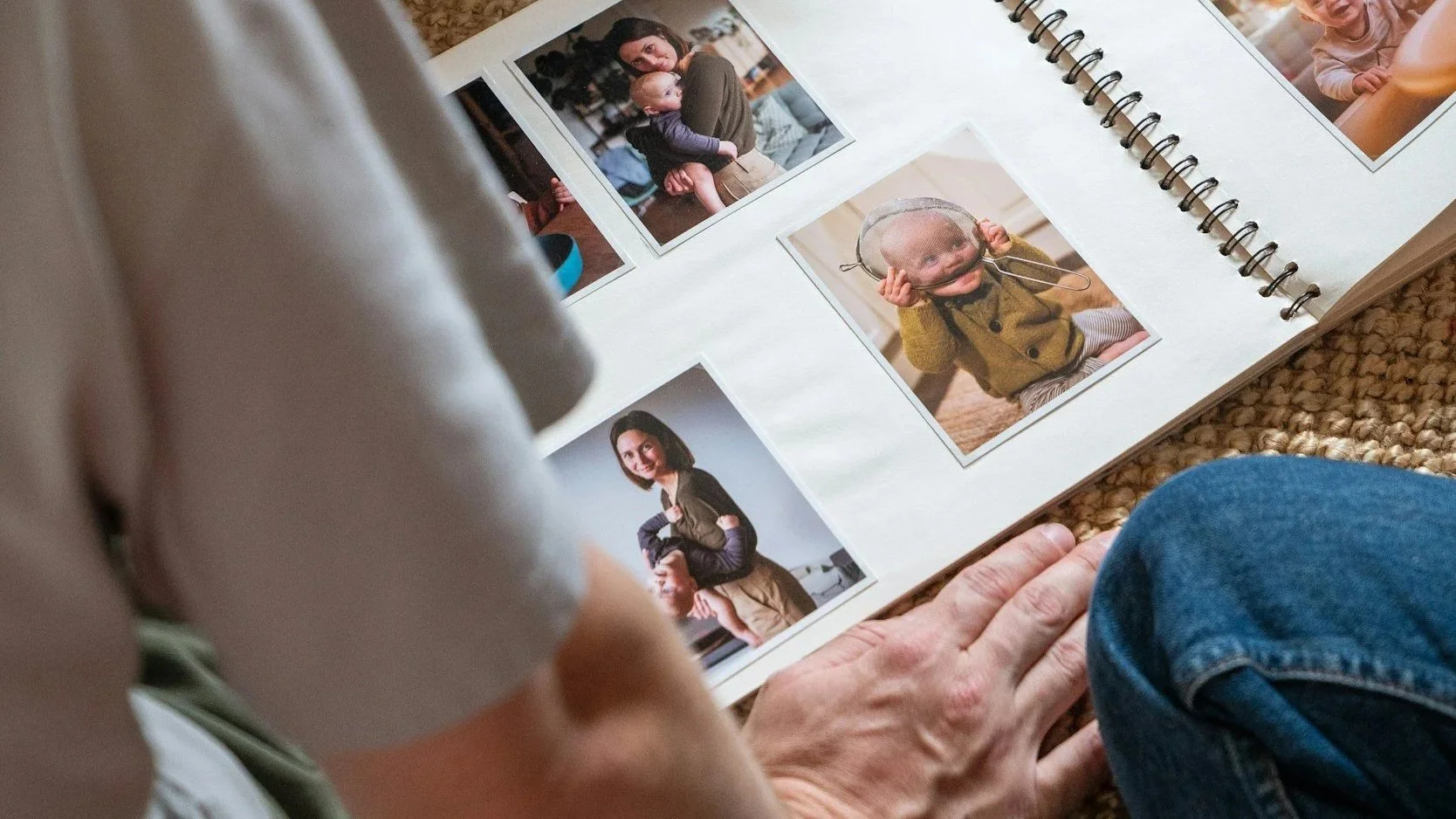
Some people turn curated objects into displays at a memorial service or into keepsake boxes for family. Others create altars, books, art, or photo albums that exist inside their home for others to admire.
There is a wide range of examples on social media of people turning loved ones’ stuff into art. Some of my favorites include @needle_or_thread, who made a miniature version of one of her grandmother’s quilts and @everlastingstitch, who created a business making teddy bears from the clothing of people who have died.
There are countless ideas, whether you want to simply display your person’s things as they are or make something new from them. Consider searching for “crafts to make with old greeting cards” or “creative ways to display a loved one’s belongings” on Google or another search engine for more ideas.
You could also check out the book Passed and Present: Keeping Memories of Loved Ones Alive by Allison Gilbert for examples from grievers like you. Of course, Charlene’s book Curating Grief: A Creative Guide to Choosing What to Keep After a Loved One Dies also contains loads of clever examples from her clients.
You Have Done This Before: Seeing Yourself as a Curator
Many greivers tell me they feel unequipped to do the work of sorting through a loved one’s belongings. They say things like:
“I’m not creative.”
“I’m not good at organization.”
“I not qualified to enough.”
Charlene is quick to remind us: “Curator comes from the Latin word curare, which means to care for.”
It’s worth asking yourself: What is one instance where I cared for my person’s stuff?
Chances are, you have already acted as a curator of their belongings—and by association, their memory.
If you’ve ever saved a voicemail. Worn their sweatshirt. Made a digital or physical photo album. Cooked their favorite meal. Placed one of their trinkets on a shelf. Shared a story about an object with someone else. You’ve curated grief.
And you can do it again.

Closing Thoughts: Adding a Lens of Intention Helps You Sort a Deceased Person’s Belongings Mindfully
You don’t have to keep everything. You don’t have to throw it all away.
In other words, when it comes to going through your person’s stuff, you don’t have to live in a world of extremes.
As Charlene said in our interview: “You can keep the object and throw away the meaning. Or throw away the object and keep the meaning.”
You can recreate, photograph, repurpose, write about, or memorialize what matters to you. You can curate an “exhibition for one” or craft a portrait of your person for others to appreciate and enjoy. There is no wrong way to do this.
Regardless of how you go about this process, I hope you’ll remember that you have the power to choose—with intention—what comes with you into the life you’re building after loss.
For more on choosing what to keep after someone dies (and to hear lots of our personal stories about sorting through the stuff of grief) be sure to check out my conversation with Charlene on Grief Grower.
